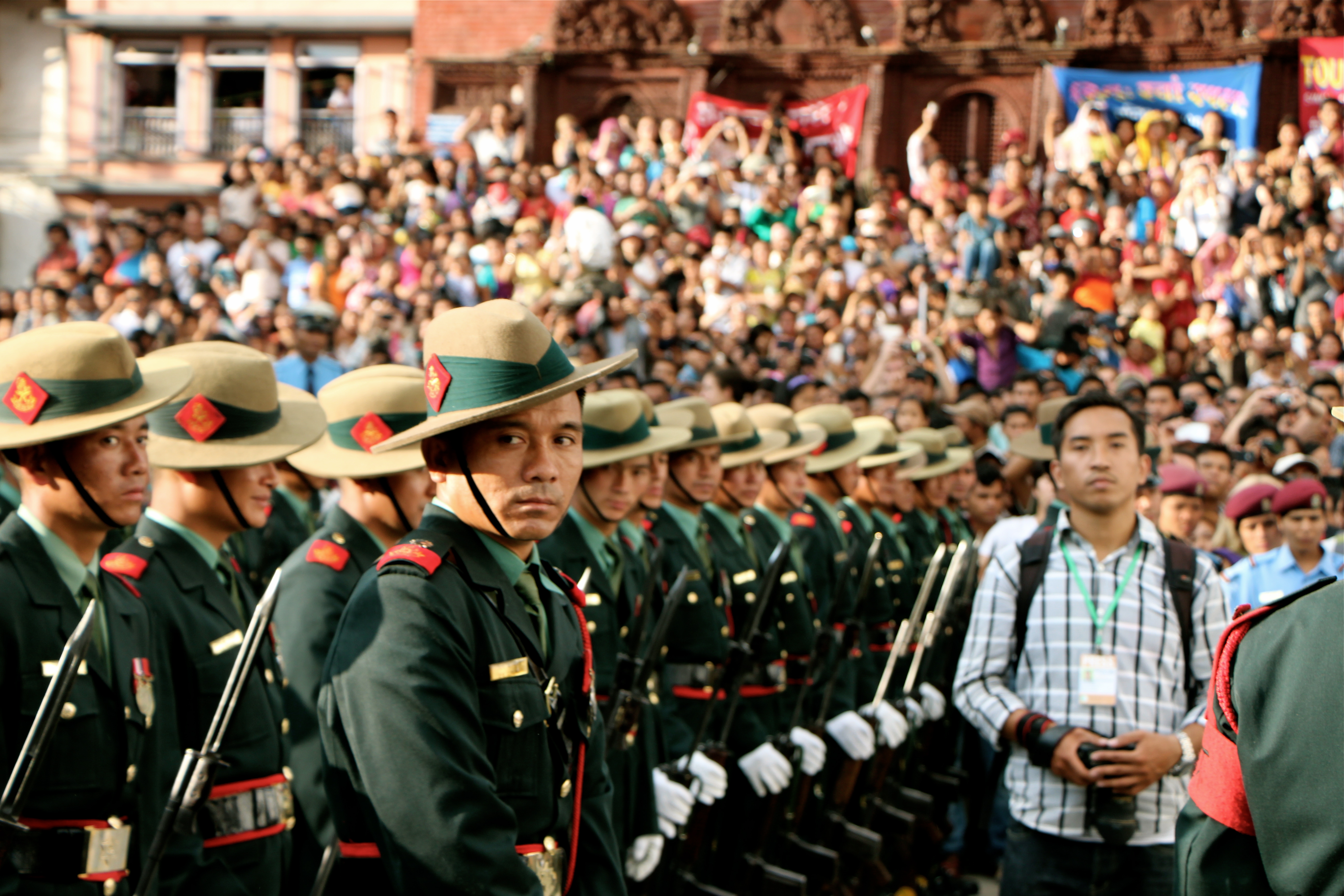
Nepali Military on Parade during Kumari Jatra celebrations in Kathmandu, Nepal.
Image copyright Neesha ( Alexandra) Bremner 2013.
Nepali Military on Parade during Kumari Jatra celebrations in Kathmandu, Nepal.
Image copyright Neesha ( Alexandra) Bremner 2013.

Karate practice on community land outside of Thamel, Kathmandu.
Image copyright Neesha (Alexandra) Bremner 2013.
How we speak and the language we use matters.
What are the subtle or transparent hegemonic themes you are enabling or engaging with when you chose to speak about a woman or man in a particular way?
What are the links to how you speak and how it is accepted or resisted?
Are you engaging with how that links to emotional, physical, sexual, financial and legislative abuse of another because of gender?
Where is your gender related behaviour motivated from? Love, fear, power or equality.Are you acknowledging the advantages you have because of where you are born, income, race, gender and belief system and what that enables in your life for no other reason than luck?Have you considered you live a privileged life because of those factors, that perhaps you do not see the huge inequities and power imbalances around you because you are protected from them?
Many aspects of language and everyday life have a latent gender bias. Stating this is not about blame but engaging with reality and deciding how we can act to address these inequalities from a place of acknowledgment and compassion.
These questions have been circulating around my brain: partly because I have been living in the developing world for nearly a year where gender disparities can be a little more blatant. But also because it feels that many do not engage with the intrinsic privilege that comes from the gender they are born into. It is an assumed privilege, one that is not earned on merit, but by genetic chance.
This privilege is real and blatant, and also, in the developed world, subtle and underhand in articulation. As determined by gender, we engage in very real and different sets of expectations which affect access, power, agency and life quality.
This is illustrated through victim blaming, legislation, language that is gender assigned and has stronger negative connotations because of it, through how one can express one’s power or maturity, the standards you are expected to meet, your value in the market place ( Gender pay gaps are again increasing across the developed world – and up to 48 percent in Australia if you work in the health and community services sector) and influences expectations around appearance, career, how you behave, expressions of sexuality etc. Gender affects every aspect of existence.
And let’s be real here, the issue isn’t gender, its women.
Women DO Not have real equality anywhere on this planet. Some places may be better than others but a true equality does not exist when by being born female you are engaged with from a hegemonic “women and other minorities” framework. Where our bodies are legislated against so we are unable by law to make decisions that affect every aspect our lives without it potentially being a criminal act. Where women who are successful are systematically targeted by the main stream media and their femaleness is targeted rather than their actions.
All of these things are connected to language, how power structures developed and predominantly male run speak, how men and women talk about each other, how dialogue around gender issues occurs and what the reaction points are.
Consider your language around gender – it is important – and is indicative of power and respect, love and fear. How you speak is how you think and that is indicative of everything when it comes to how your gender plays out in the world and how you live because of it.

#100meters documents a one hundred meter stretch of road and the life that unfolds within that space.
My one hundred meter location is on Lazimpat Road, Kathmandu. Copyright Neesha (Alexandra) Bremner 2013.
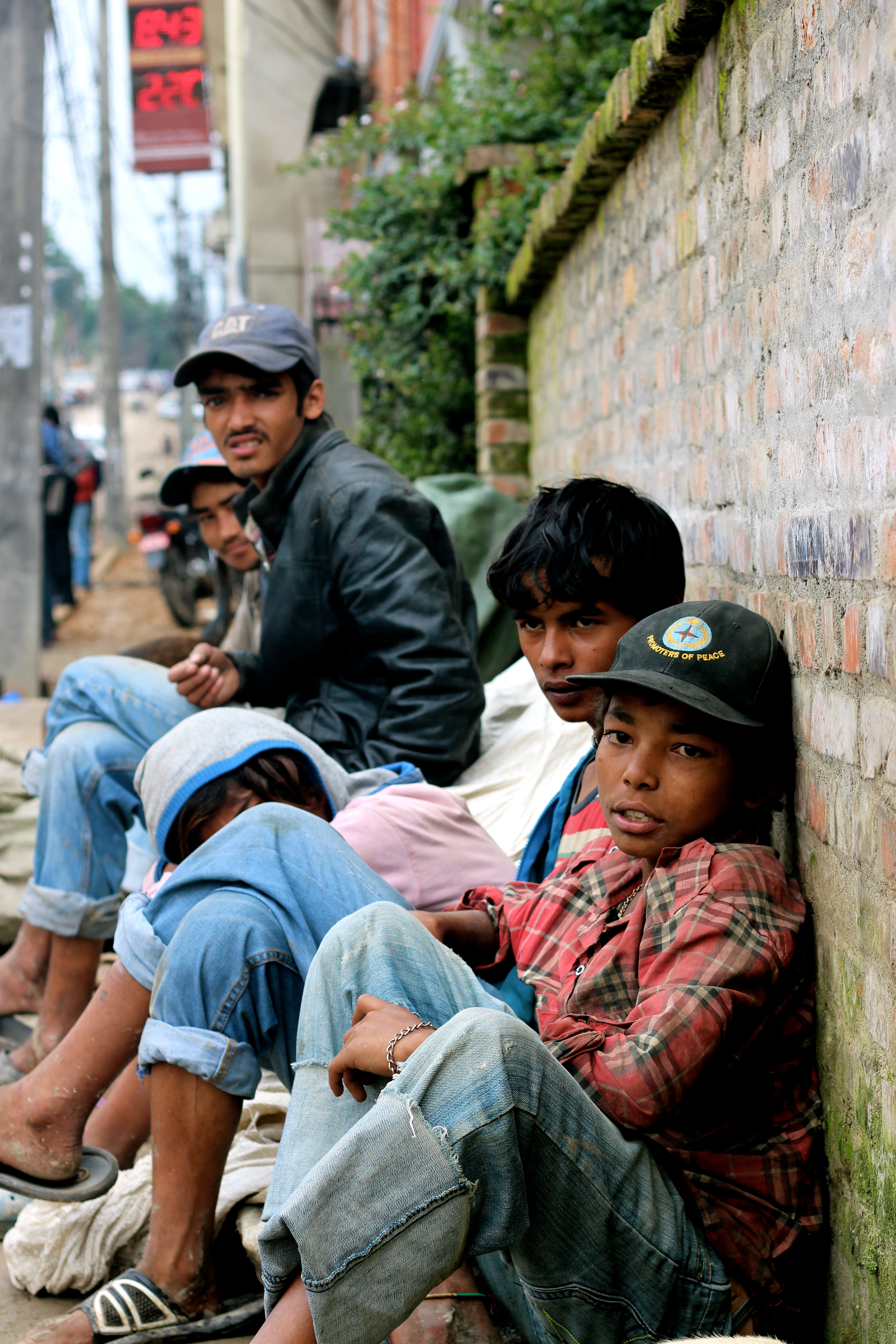
Walking the streets of kathmandu you will see young men and women, as well as children, collecting up plastic and other recyclables – meet the Waste Pickers. These workers live on the edge scrapping together a living, many sleeping rough, through recycling. All images are copyright Neesha ( Alexandra) Bremner 2013.


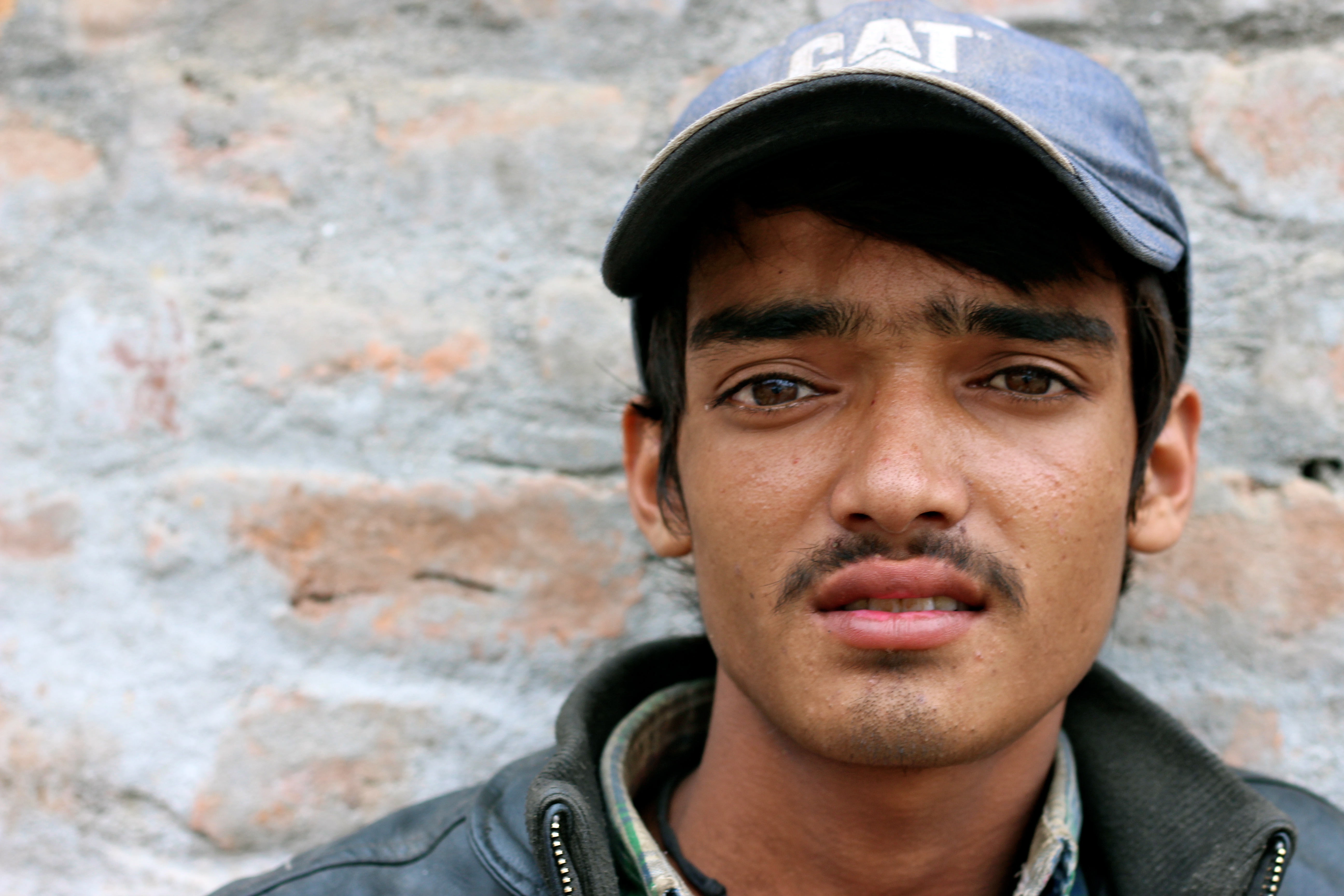
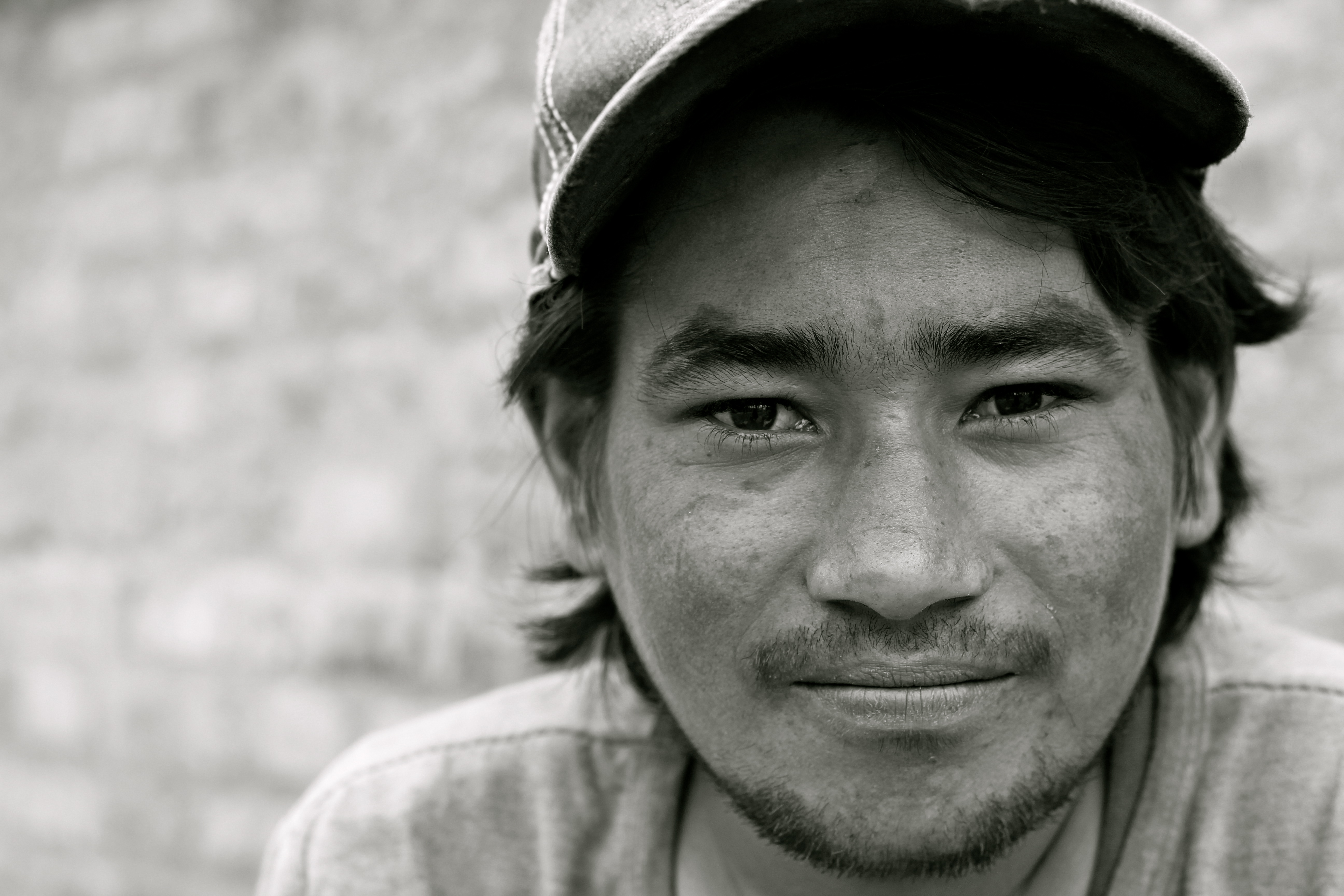
Waste pickers are at the bottom of the social rug in Nepal as they scrap together a fragile existence dealing with the rubbish of others for very little money. This troop of five boys and young men work a stretch of Lazimpat road clearing the streets of plastics and other recyclables.
For more information on the situation for waste pickers in Nepal please read Emilia Terzon’s Life at the Bottom article for independent Australian publication New Matilda.
To support the ongoing work of The Storyteller Project – documenting the human stories of the developing world – please donate through the provided link on the left hand side of the page here. It is the intention of the The Storyteller Project, with your support, to document this group of waste pickers further and to learn more about their situation.
Please note that all images are Copyright Neesha (Alexandra) Bremner 2013. Images cannot be used without the express written permission of The Storyteller Project.
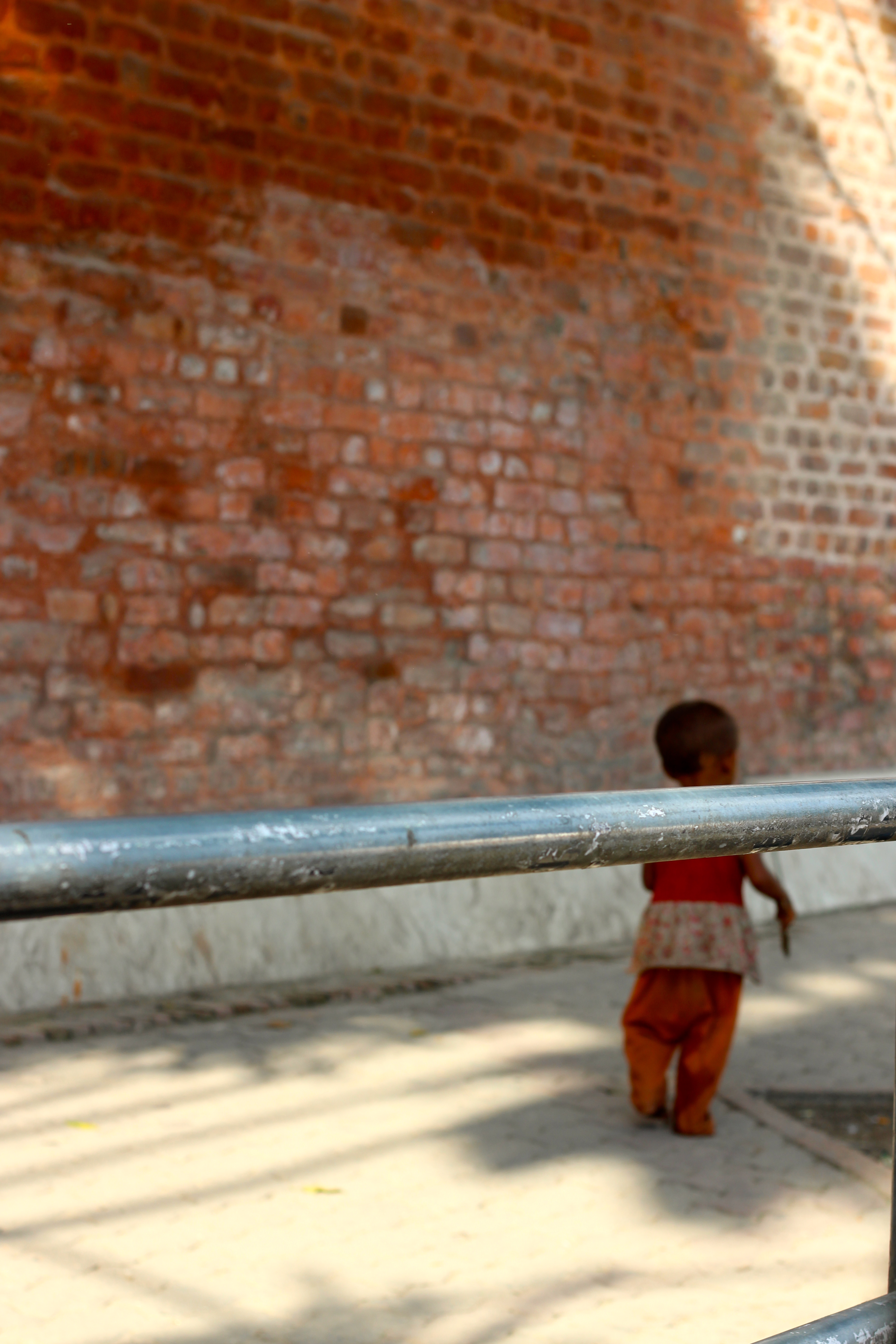

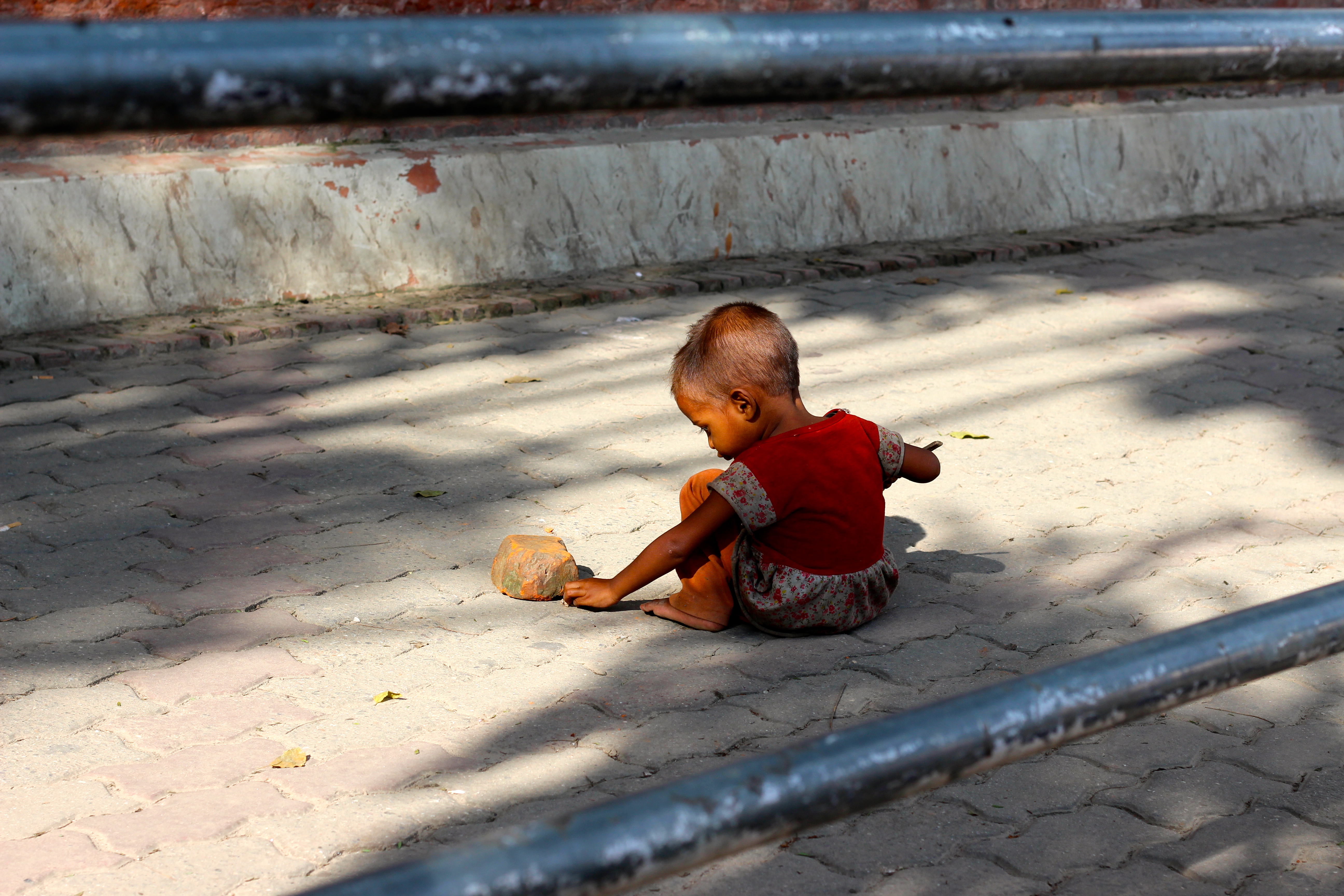


Children are born into life on the streets and for some of them this is the only life they know.
It is not a life full of hope but one of violence, abuse, disease and malnutrition as a baseline of their existence.
The following images of a little girl were taken on the outskirts of Thamel, the tourist hub of Kathmandu.
This girl, of around 18 months, ironically lives with her two brothers and mother outside a popular tourist attraction called the Garden of Dreams. The children all show signs of malnutrition. But regardless of this, this toddler still plays.
Copyright Neesha ( Alexandra) Bremner 2013
Poverty and homelessness is an ongoing problem throughout Nepal.
In Kathmandu many live on the streets or in tenuous slum communities in order to survive. Figures from Homeless International indicate that out of Nepal’s 28 million citizens, 2.8 million live in slums, with 59 percent of urban populations living in slum communities. According to UNICEF there are an estimated 30,000 street children alone in Nepal, of which 3,700 are homeless.
In slum communities (which can be bulldozed down ) or for those living on the streets access to clean water, food and the fundamentals of a “good life” is highly limited if not non-existent. Living on the streets near tourist hubs gives access to income sources through begging and the ability to access foreigners wanting to “help” as well as being situated near the proliferation of NGO’s who assist street populations on an ad hoc or in a more systematic manner depending on the organisation, time of year, the political situation and the availability of funds.
Children are born into life on the streets and for some of them this is the only life they know.
It is not a life full of hope but one of potential violence, abuse, disease and malnutrition as a baseline of their existence.
The following images of a little girl were taken on the outskirts of Thamel, the tourist hub of Kathmandu.
This girl, of around 18 months, ironically lives with her two brothers and mother near a popular tourist attraction called the Garden of Dreams. The children all show signs of malnutrition. But regardless of this, this toddler still plays.
To support the ongoing work of The Storyteller Project – documenting the human stories of the developing world – please donate through the provided link on the left hand side of the page here. It is the intention of the The Storyteller Project, with your support, to document this family further and to learn more about their situation.

#100meters documents a one hundred meter stretch of road and the life that unfolds within that space.
My one hundred meter location is on Lazimpat Road, Kathmandu. Copyright Neesha (Alexandra) Bremner 2013.

#100meters documents a one hundred meter stretch of road and the life that unfolds within that space.
My one hundred meter location is on Lazimpat Road, Kathmandu. Copyright Neesha (Alexandra) Bremner 2013.

#100meters documents a one hundred meter stretch of road and the life that unfolds within that space.
My one hundred meter location is on Lazimpat Road, Kathmandu. Copyright Neesha (Alexandra) Bremner 2013.

#100meters documents a one hundred meter stretch of road and the life that unfolds within that space.
My one hundred meter location is on Lazimpat Road, Kathmandu.
 The Storyteller Project