Kiwis in the land of Oz – part II

Feedback from my previous blog discussing a Guardian article by Samantha Prendergast illustrating the struggles of Kiwi’s living in Australia without the legal rights to access government support has been overwhelming.

Some of the stories people have chosen to share illustrate a tenuous existence. Some said they had no desire to return home to NZ but due to the lack of legal protections for Kiwi’s who arrive in Australia post 2001 they have no choice if things go badly.

I am looking to talk with as many Kiwis in Australia and to those whom have moved back home to New Zealand due to their current legal status as guest workers with very little recourse to better their residency status except through expensive spousal visas in the “lucky country.”

Please use the provided contact form to get in touch. Please state if you wish to be contacted further and if you wish to have your identity protected.

And to the many people whom have already been in touch – thank you – I will get back to you over the next couple of weeks.


Go back

Your message has been sent

Warning
Warning
Warning
Warning
Warning
Warning
Warning
Warning
Warning

Warning.


In the Land of Oz

Following a story in today’s Guardian Australia by Samantha Prendergast I am looking for New Zealanders living in Australia doing it tough without the benefit of the Centrelink safety net. This is despite Australians in New Zealand having access to the full range of social support structures regardless of how long they have lived in New Zealand.

“When I came to Australia at the age of 12, I never expected to find myself age 23 with no access to social security. If I lost my job tomorrow, I’d be broke in four weeks time – and there’d be no Newstart or Youth Allowance to fall back on.

In 2001, two years before my family moved from Auckland to Adelaide, the then Howard government changed the visa rights for New Zealanders who moved to Australia. Previously, Kiwis were immediately eligible for Australian residency. But after 2001, every New Zealander who crossed the Tasman was placed on a non-protected special category visa (SCV), a temporary visa that is unique to New Zealanders and can be altered at any time. We can live here, work here, and access Medicare. But beyond that, services are limited. If people on SCVs want permanent residency and the benefits attached to it, there are few available options. Permanent residency is granted when people meet criteria that make them valuable to the Australian community – and that usually means having a long-term relationship with an Australian citizen, being highly skilled, or being a wealthy under-50 year-old with plans to invest in an Australian company. For many people, especially young New Zealanders who moved here as kids, the criteria are hard to meet and the consequences of staying on a SCV can be severe.”

New Zealanders can technically lose their residency rights in Australia overnight and it is very difficult to get other more permanent forms of residency.

You can read Samantha’s story here.

Anyone willing to share their story can get in touch through the contact form. If you wish to protect your identity please let me know within the contact form and we can go from there.


Go back

Your message has been sent

Warning
Warning
Warning
Warning

Warning.


March in March ~ Melbourne

IMG_5973 IMG_5978 IMG_5954 IMG_5949 IMG_5939 IMG_5893 IMG_5910 IMG_5916 IMG_5926 IMG_5890 IMG_5936

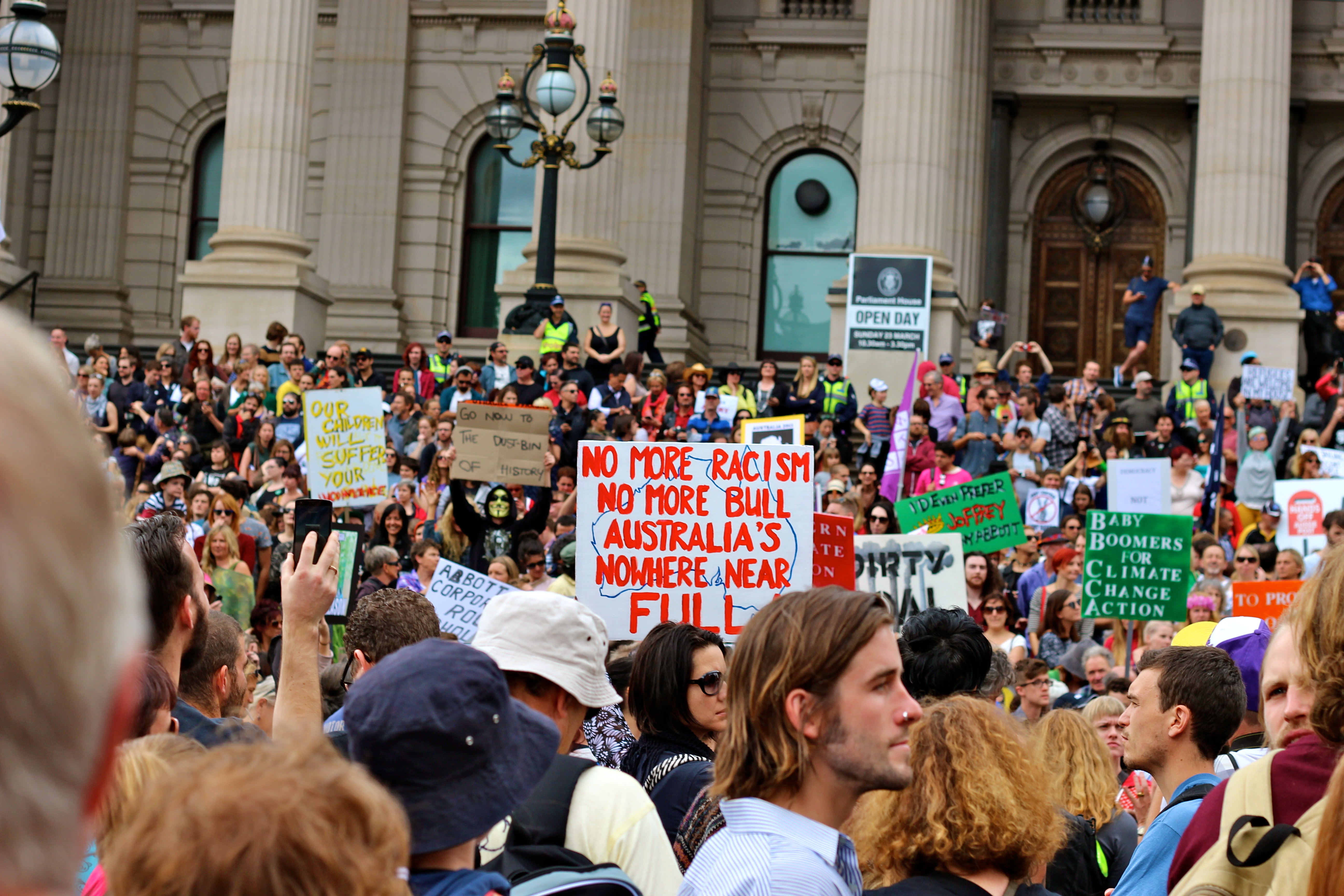
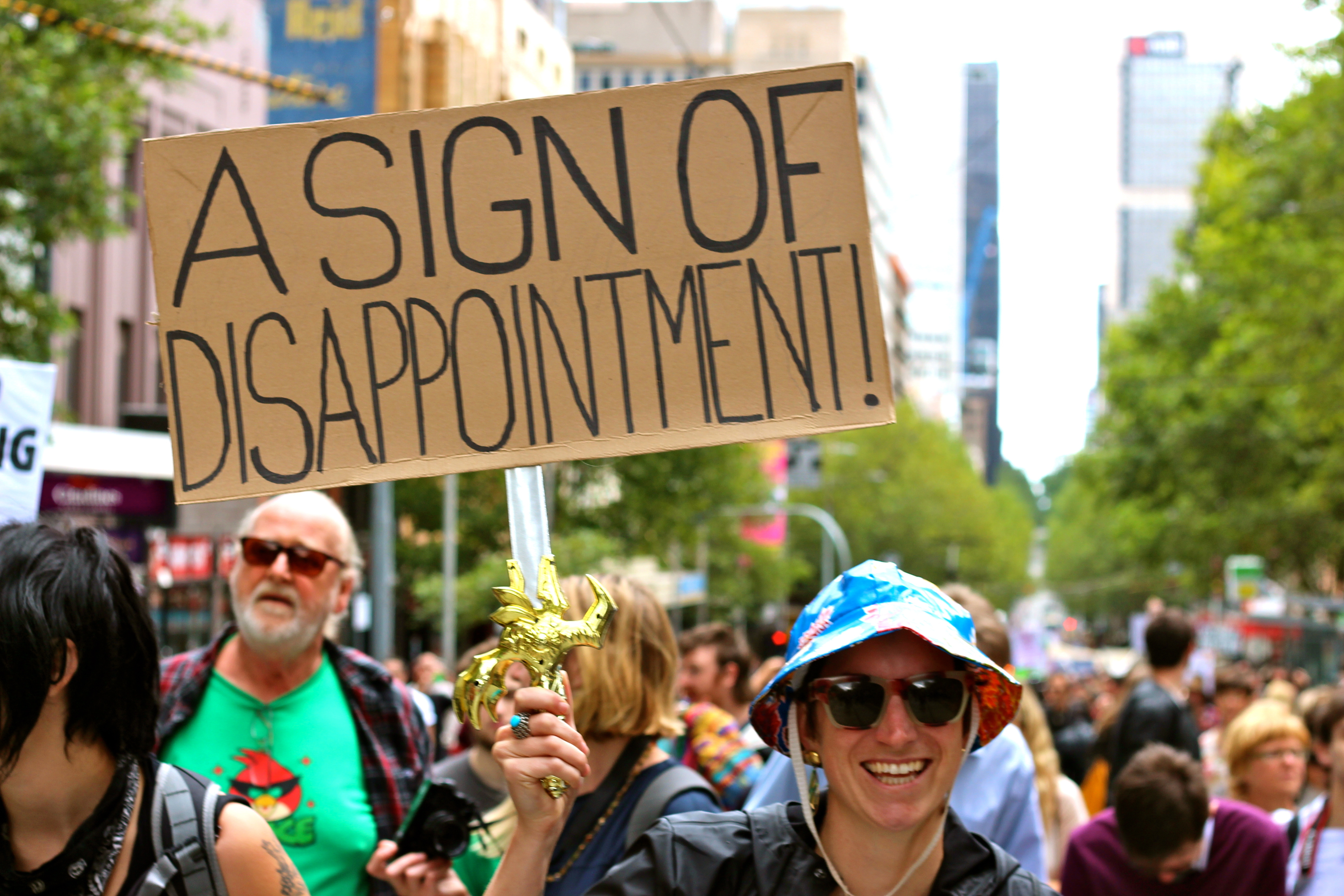
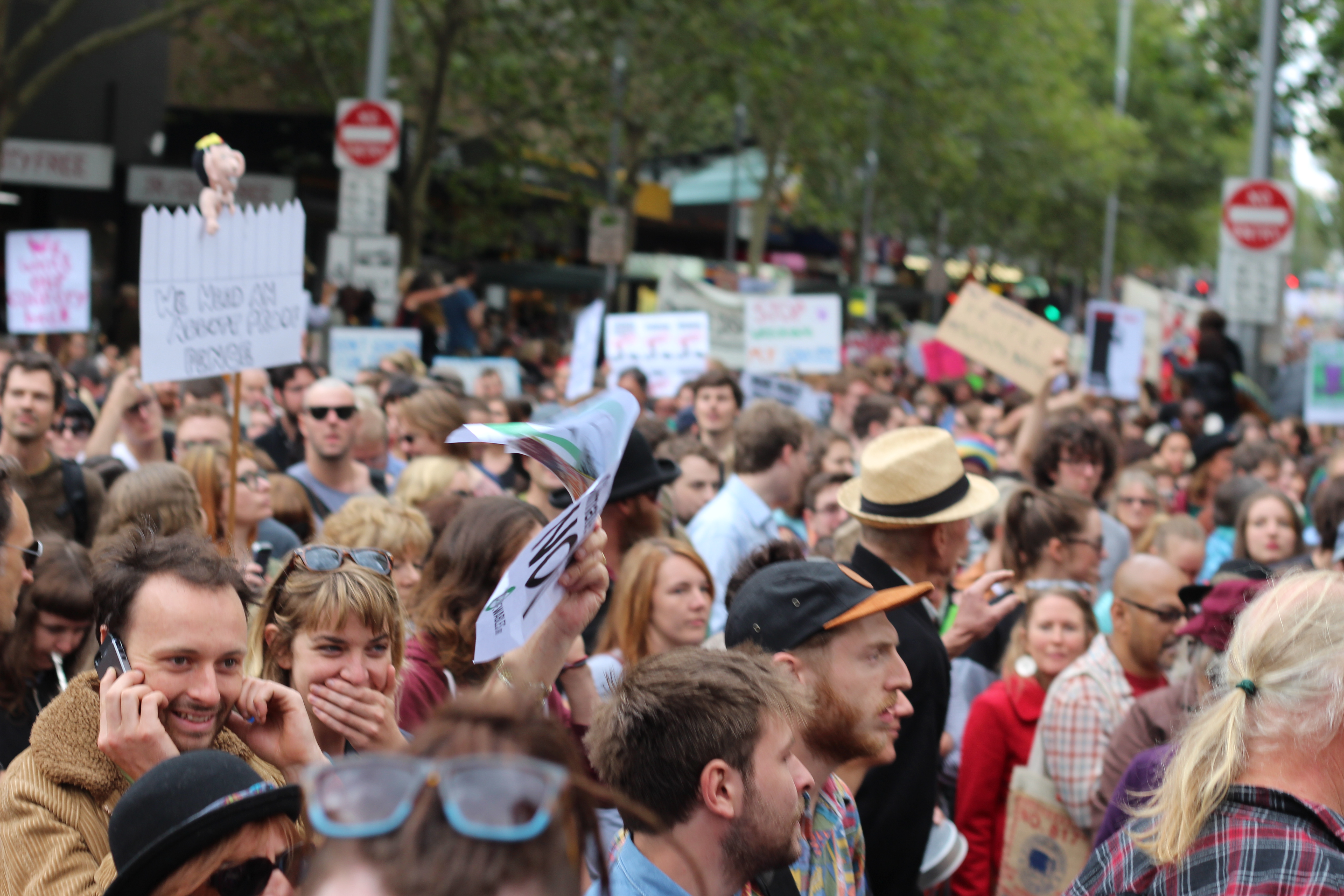
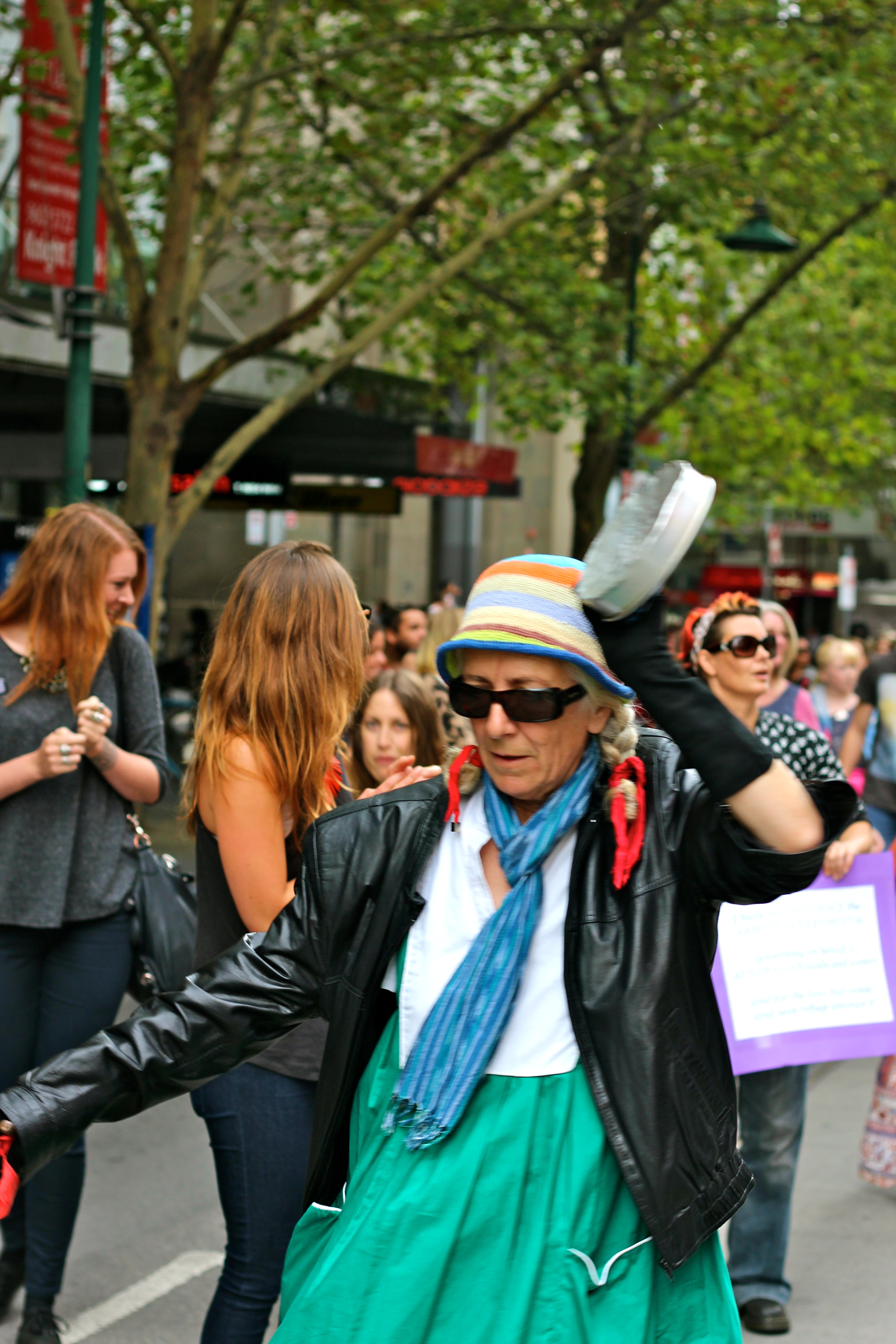
On March 16 30,000 Melbourne residents took to the streets, alongside thousands of others across Australia, to protest the Tony Abbott led Coalition government and their policies around refugees, the environment, education, the economy, gender issues and a plethora of other issues.

Images Copyright Neesha Bremner & The Storyteller Project 2014.


We smile because we must

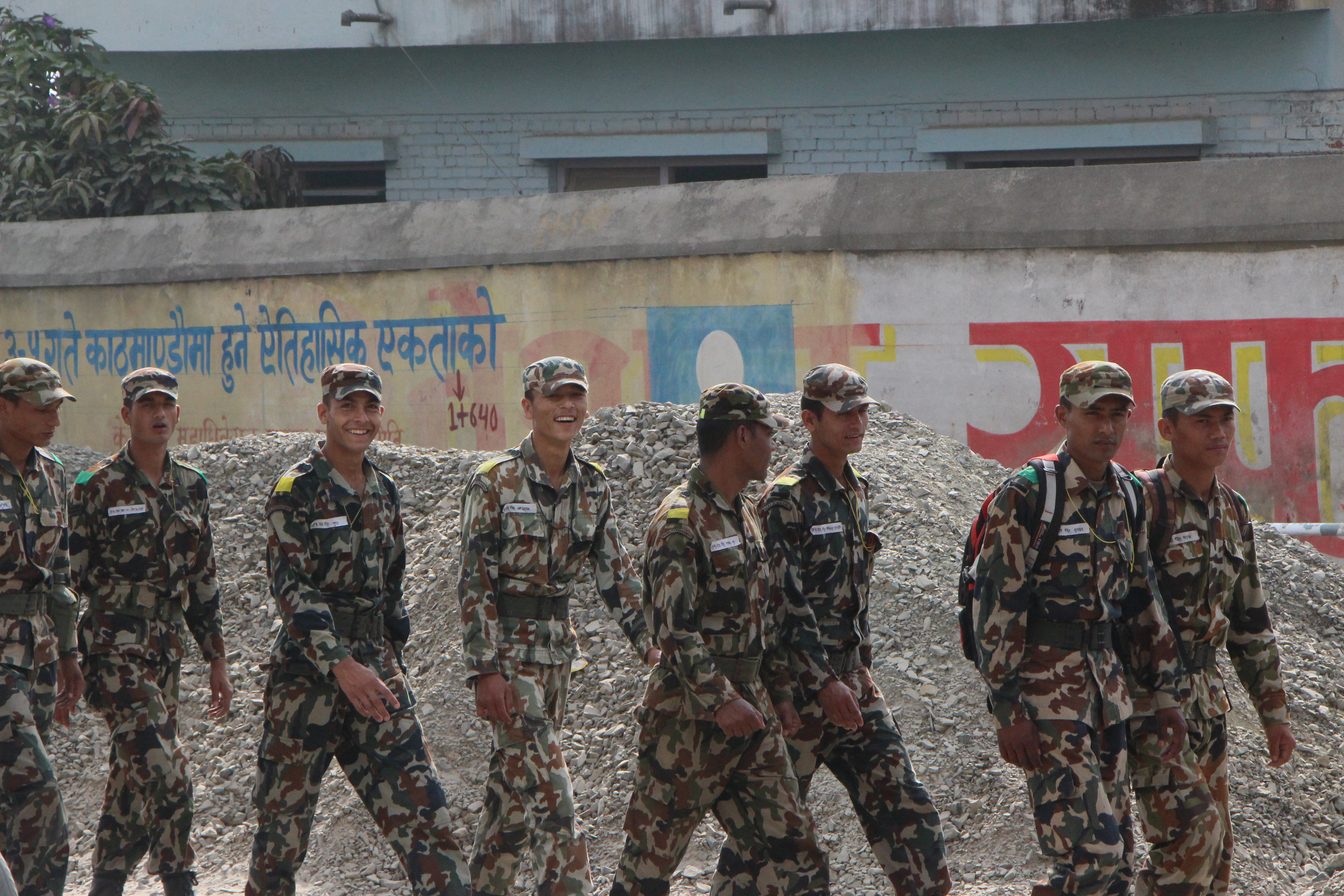
As Nepal prepares for its first election since 2008 military presence on the streets is increasing as tensions rise across the country. One candidate has  already been murdered by a rival in the Terai district and through out Nepal conflict between rival political cadres is increasing. The outcome of the Nov 19 election is uncertain with speculation of country wide bandas ( general strikes) before polling day. Copyright Neesha  ( Alexandra) Bremner 2013

As Nepal prepares for its first election since 2008, the second since the civil war ended in 2006, military presence on the streets of Kathmandu is increasing as tensions rise across the country. One candidate has already been murdered by a rival in the Terai district and through out Nepal conflict between rival political cadres is increasing.
The outcome of the Nov 19 election is uncertain with speculation of country-wide bandas ( general strikes) before polling day.
Copyright Neesha ( Alexandra) Bremner 2013

Dancing with gender anger II – the audacity of women who dare to speak up to gender inequity

A few months ago I wrote a piece here about my growing frustration at rape terminology  being used as part of the American election campaign. The piece also touched on the general slippage occurring around gender issues. Or perhaps in a more nuanced explanation, how there seems to be a reluctance to engage with the gender issues that still remain in our society and culture.

This reluctance ranges from dismissal or that old classic in gender debates; a twisting of everything to make those speaking out about discrimination etc dance to prove the negative. And when you do, this is dismissed or an excuse is found not to engage with the evidence presented.  When these people are challenged to prove gender equality, equal representation, the twisting becomes more profound and in many occasions the debate then becomes personal.

A few days ago I posted Clementine Ford’s  International Women’s Day article Are Women’s Voices being Gagged to a New Zealand journalism Facebook forum Kiwi Journalist’s Association (KJA).

Essentially Ford argues the following;

 “If the media is a portal through which we see the world, how does the conspicuous  absence of women and their voices skew how people experience the world around them? Across the board, the facts show that women are significantly absent from that mirror the media reflects back onto society. Women operating in the public space are constantly reminded that their presence is a privilege, not a right – and that privilege can be taken away any time they break the rules.”

My reason for posting an Australian Fairfax created article in an NZ journalism forum was two-fold. One, the NZ media does not work in blessed isolation despite some of the protestations of those who objected to the article ( Fairfax owns a large percentage of the NZ media market), it’s posting and my defense of it. Secondly, the content of Ford’s piece is indicative of some of my experiences working in NZ media until I left the country in 2010 and I strongly believe illustrates the boy’s club type structure the media generally speaking operates from.

To clarify, my posting of the article wasn’t denying progress around gender issues but it was a statement that there are still considerable issues around gender  that the media industry in NZ has an obligation to address.

In some ways a majority of the reaction to my posting of the story is indicative of what I feel is the boy’s club mentality in action. That I should be grateful for what I have and to raise my head above the parapet and question the status quo isn’t the done thing. I am aware of the ramifications of speaking out and continuing to do so. There is an implicit risk to  speaking on gender issues; I will be labelled as difficult and I feel there are possible career implications.

In the discussion I was constantly asked to prove the inequality, which I along with a few other brave women journalists did. These studies were predominantly international and therefore were declared invalid by those protesting against Ford and our support of her argument. When NZ studies were produced these were also largely dismissed and then the statistics of the Massey University study were used as a justification for why there would not be parity and gender equally in NZ media for about 30 years ” because of the statistics.” When I asked, repeatedly for evidence of the gender equity and pay parity in NZ media none was offered and, in what I feel was a rather patronising tone, I was told I didn’t understand the argument.

I would like to post the thread in its entirety here but the KJA Facebook group is closed and by invitation only. Out of respect for my colleagues and the group  I will not post screeshots nor I will identify those who were particularly unhappy with my call for proof of equity in the NZ media industry. That said the administrators ironically proved Ford’s argument by closing the thread and “gagged” the female voices speaking out with evidence and experiential knowledge of how the NZ media can work for women.

I admit I hold KJA in far lesser regard due to the exchanges that took place in the forum and their lack of framework around gender issues that daily effect a large number of their membership. It also, from my perspective, speaks to the state of the industry that very few women spoke out about their concerns in an open forum and some male journalists felt free to behave in an unprofessional and sometimes bullying manner.

A number of women did contact me privately  and thanked me for speaking up and for confirming that they weren’t “going insane”. To those women, thank you for your support, it was an unpleasant run in which ultimately proved Ford right – I am appreciative of that. The article is not as one person stated “facts obscured by emotive, partisan twaddle.”

Here are some further links speaking to the  issues and general position of women in media. Please note all of these links were used  in the KJA discussion thread.

http://www.theaustralian.com.au/media/for-women-newsroom-remains-a-battleground/story-e6frg996-1226563067616

http://www.knightfoundation.org/grants/20120284/

http://changetheratio.tumblr.com/

http://www.scoop.co.nz/stories/BU1112/S00093/women-journalists-flee-newspaper-careers.htm

http://www.guardian.co.uk/lifeandstyle/the-womens-blog-with-jane-martinson/2012/oct/15/shocking-dearth-of-women-in-journalism

http://journalistcomplaints.com/article/2012/07/meaa-needs-act-gender-bias-newsrooms

http://www.theaustralian.com.au/media/how-women-journos-stake-place/story-e6frg996-1225713076068

http://mro.massey.ac.nz/handle/10179/2780

Occupy Melbourne -Day 1.

There is something magical about walking into a publicly held space, a space being  reclaimed for change. City Square in central Melbourne occupied  peacefully despite the four mounted police of the occupation, despite police cameras filming the crowd from above and a crowd representing a diverse range of political opinions.It is inspirational.

Poets, punks, anarchist dogs (“no leads, no leaders!”), children, environmentalists,performance artists,film makers, hipsters, unionists, curious teenagers joggled alongside one another, took to the mic, workshopped, assisted organisers, played drums and marched in support of others (BDS protestors) who had previously arranged a march. It became more and more obvious as the day continued that peacefully and together we have real power. Even though in Melbourne they are only just picking up the reins started with the Madrid Occupation that started in May, it feels like this movement has the potential to facilitate change. No other reason for all the police, surveillance and undercover cops in the crowd unless the occupation movement was a real challenge to the inequitable status of now.

One of the criticisms of the #occupy movement is that it doesn’t have concrete aims. But from what I see internationally not having concrete aims at this early stage of the movement is the point. Huge sections of the population globally are dissatisfied with the status quo. With the insane inequality of wealth distribution , a correlating power resting in the hands of the very few and governments globally facilitating this concentration of power (As one occupier said to me yesterday. “Governments no longer govern, they are corporate administrators”) to have a cohesive plan already laid out would be unrealistic and non representational of the diversity of the movement. The movement needs to be representational, grassroots based so it cannot be co-opted to represent current government/corporate interests. This is something I found evident yesterday, the general assembly model while slow-moving means that strategies developed are truly representational of the majority.

It became clear  after speaking to more people than I can count that not only do occupiers want the world to be equitable,they want real community , they want purpose and meaning, they are claiming back our connectedness. Occupation is about putting humanity first.

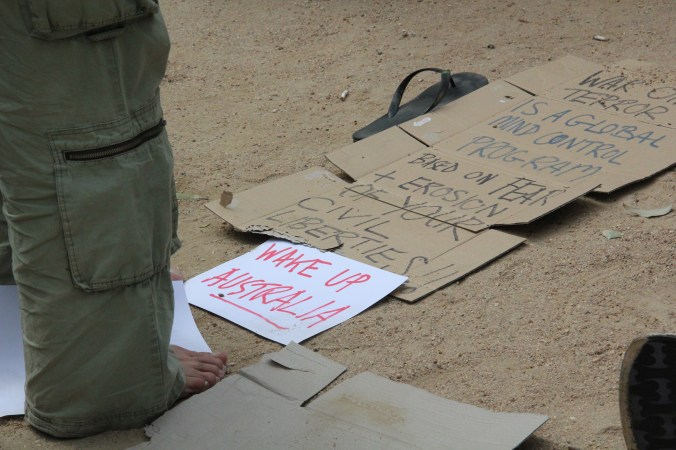
A sign of the times - #occupymelbourne day 1. Copyright Alexandra Bremner 2011