The Waste Pickers

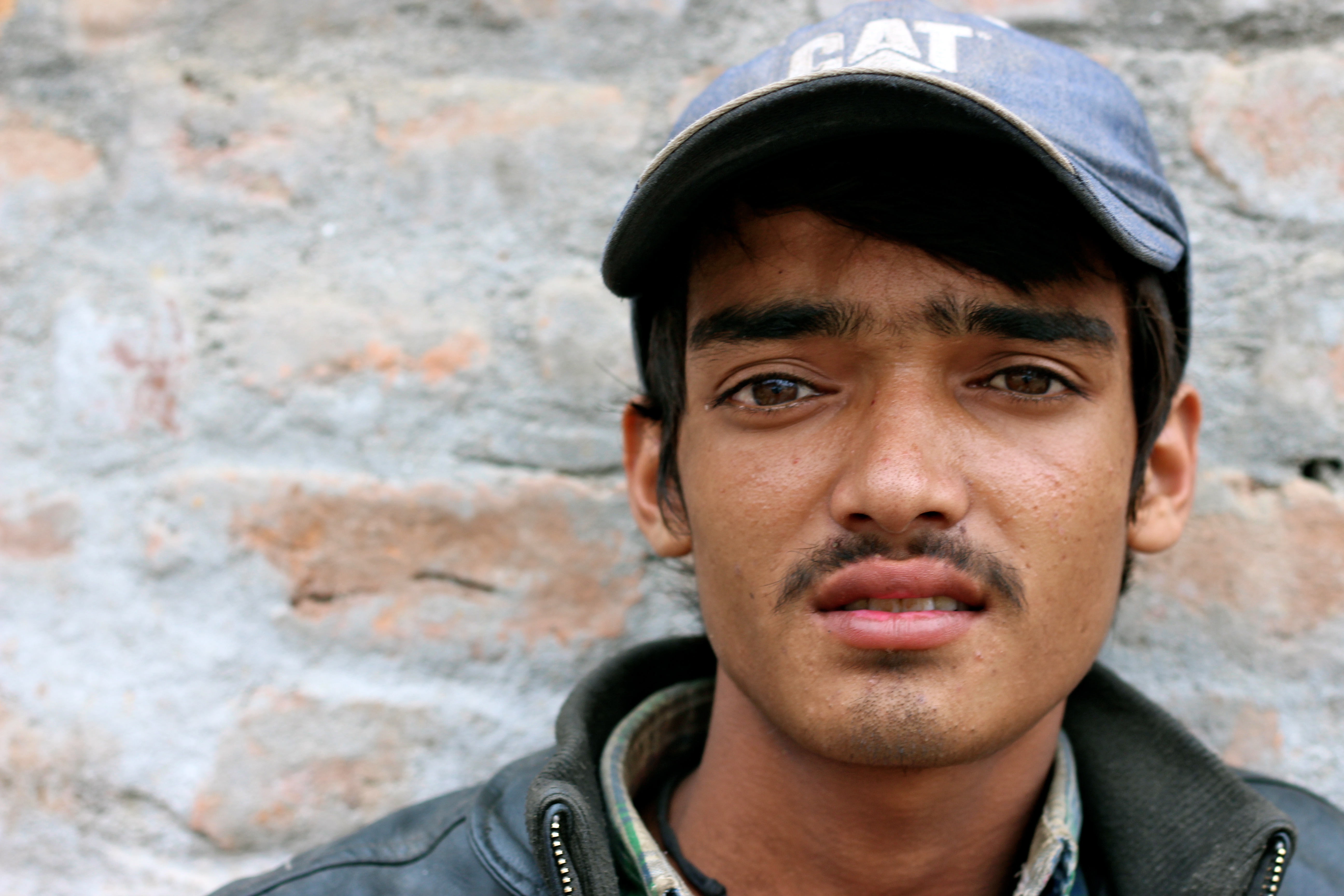
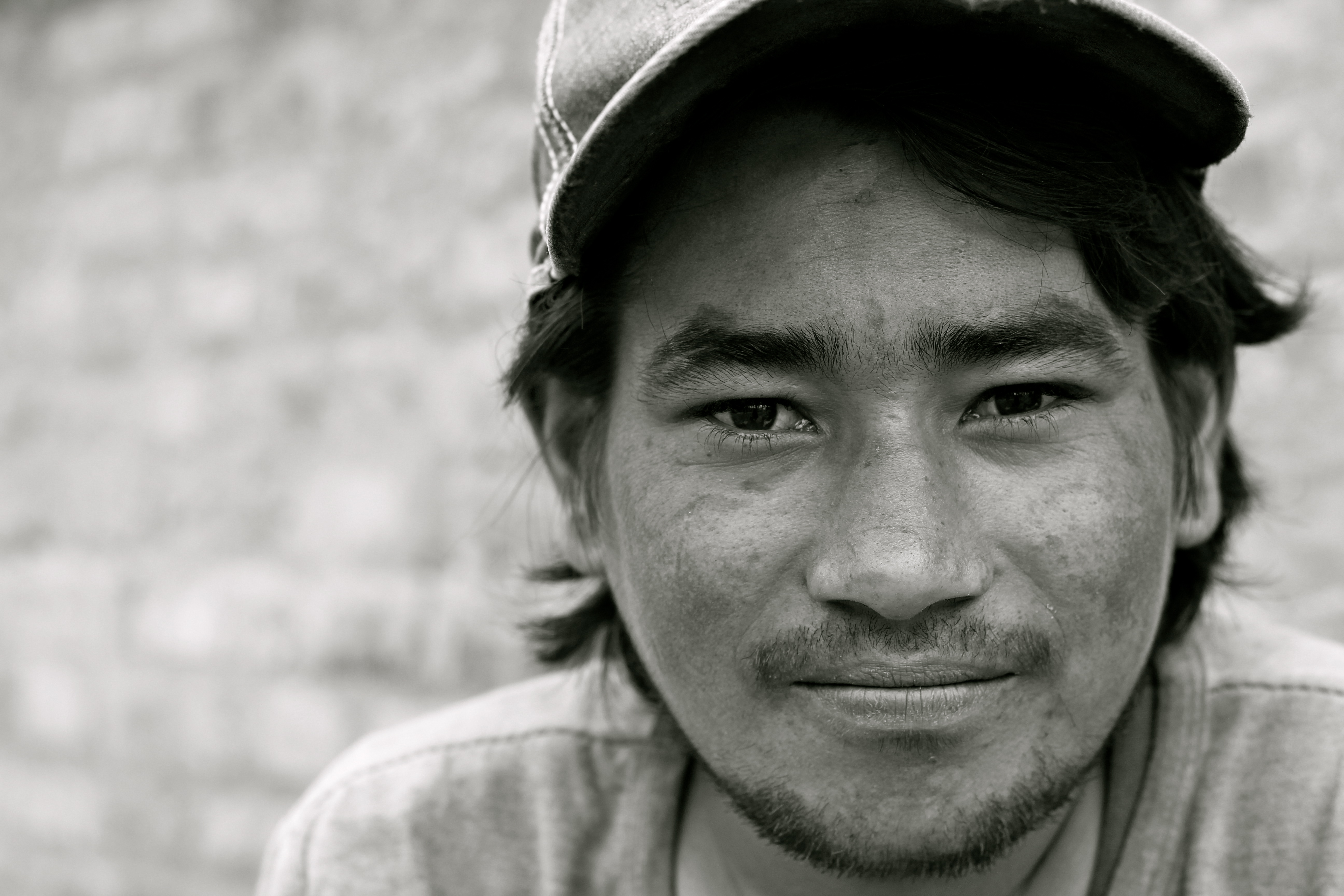
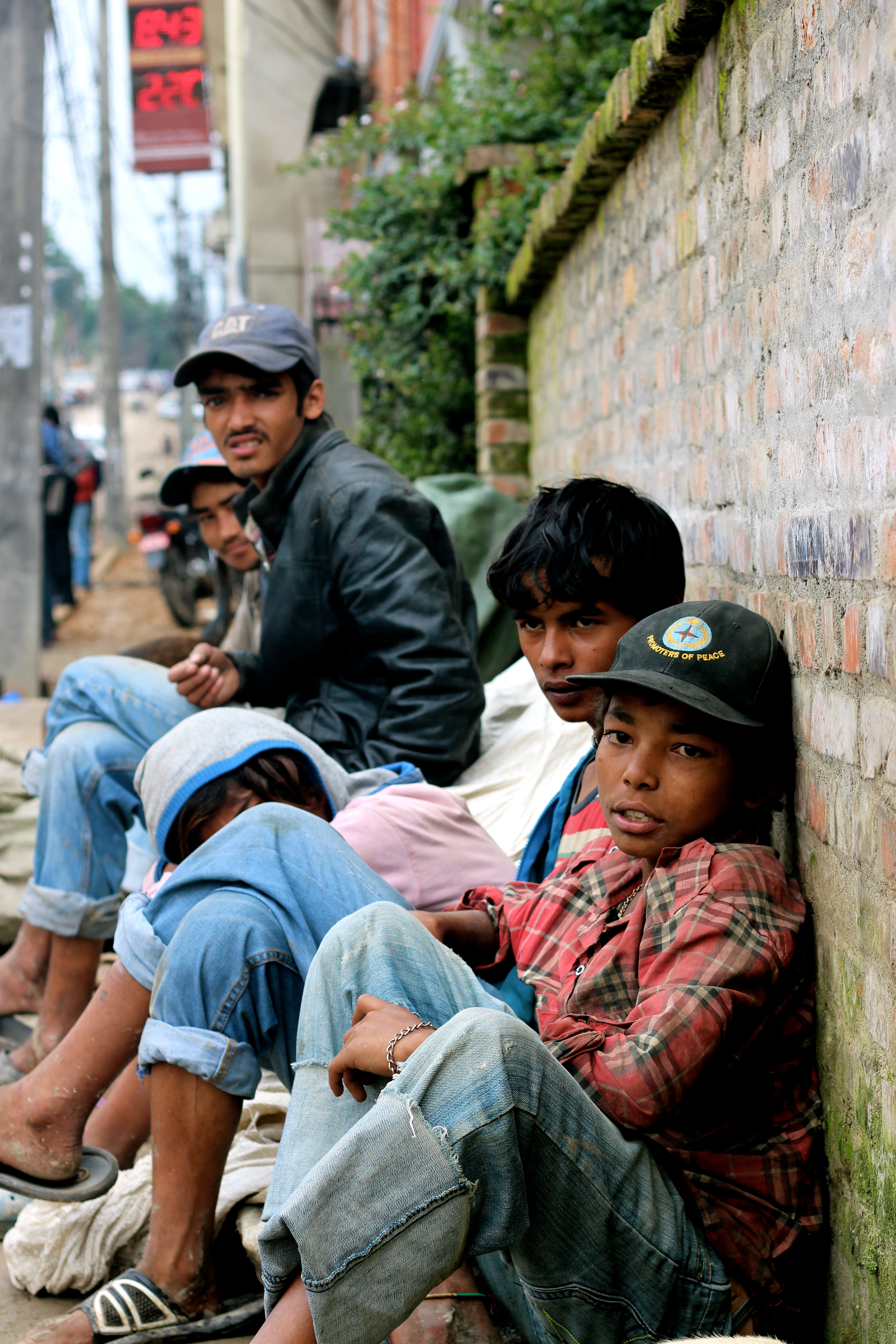
Walking the streets of kathmandu you will see young men and women, as well as children, collecting up plastic and other recyclables - meet the Waste Pickers. These workers live on the edge scrapping together a living, many sleeping rough, through recycling.

Walking the streets of kathmandu you will see young men and women, as well as children, collecting up plastic and other recyclables – meet the Waste Pickers. These workers live on the edge scrapping together a living, many sleeping rough, through recycling. All images are copyright Neesha ( Alexandra) Bremner 2013.

IMG_4040 IMG_4042 IMG_4044 IMG_4045IMG_4048

Waste pickers are at the bottom of the social rug in Nepal as they scrap together a fragile existence dealing with the rubbish of others for very little money. This troop of five boys and young men work a stretch of Lazimpat road clearing the streets of plastics and other recyclables.

For more information on the situation for waste pickers in Nepal please read Emilia Terzon’s Life at the Bottom article for  independent Australian publication New Matilda.

To support the ongoing work of The Storyteller Project – documenting the human stories of the developing world – please donate through the provided link on the left hand side of the page here. It is the intention of the The Storyteller Project,  with your support, to document this group of waste pickers further and to learn more about their situation.

Please note that all images are Copyright Neesha (Alexandra) Bremner 2013. Images cannot be used without the express written permission of The Storyteller Project.
I play where I was born

IMG_4009IMG_4008 IMG_4006 IMG_4005

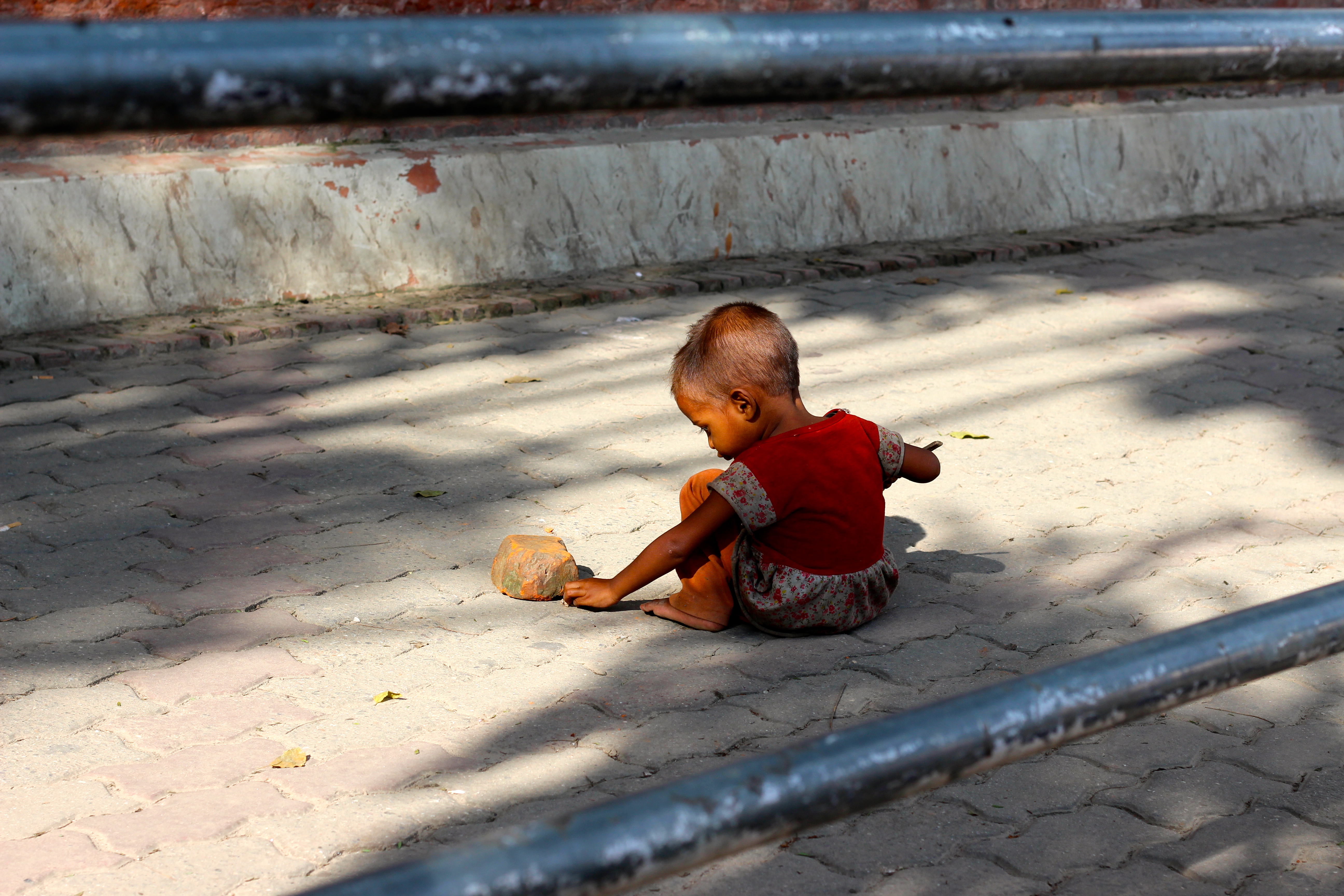
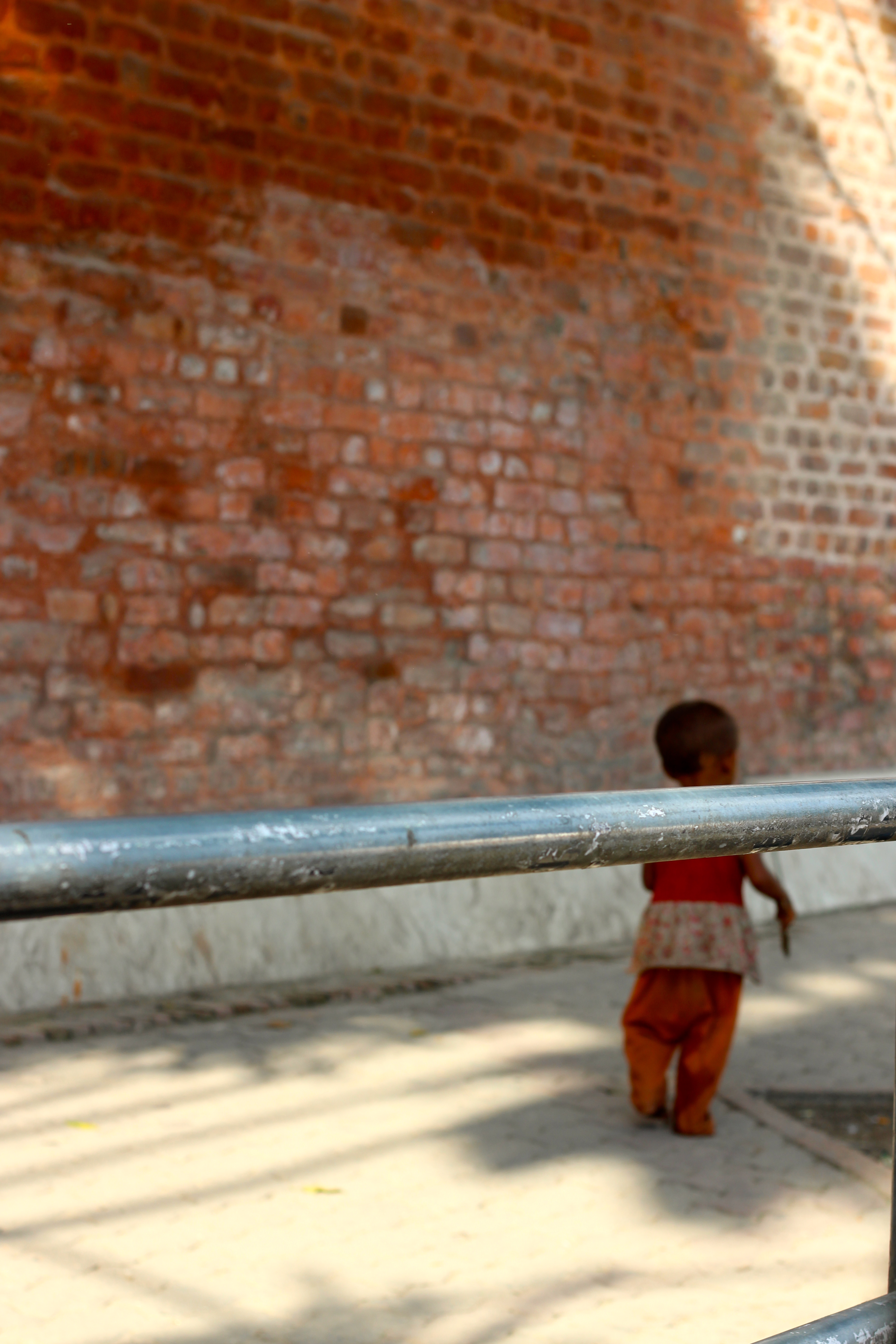
Children are born into life on the streets and for some of them this is the only life they know. It is not a life full of hope but one of  violence, abuse, disease and malnutrition as a baseline of  their existence. The following images of a little girl were taken on the outskirts of Thamel, the tourist hub of Kathmandu. This girl, of around 18 months, ironically lives with her two brothers and mother outside a popular tourist attraction called the Garden of Dreams. The children all show signs of malnutrition. But regardless of this, this toddler still plays. Copyright Neesha ( Alexandra) Bremner 2013

Children are born into life on the streets and for some of them this is the only life they know.
It is not a life full of hope but one of violence, abuse, disease and malnutrition as a baseline of their existence.
The following images of a little girl were taken on the outskirts of Thamel, the tourist hub of Kathmandu.
This girl, of around 18 months, ironically lives with her two brothers and mother outside a popular tourist attraction called the Garden of Dreams. The children all show signs of malnutrition. But regardless of this, this toddler still plays.
Copyright Neesha ( Alexandra) Bremner 2013

Poverty and homelessness is an ongoing problem throughout Nepal.

In Kathmandu many live on the streets or in tenuous slum communities in order to survive. Figures from Homeless International indicate that out of Nepal’s 28 million citizens, 2.8 million live in slums, with 59 percent of urban populations living in slum communities. According to UNICEF there are an estimated 30,000 street children alone in Nepal, of which 3,700 are homeless.

In slum communities (which can be bulldozed down )  or for those living on the streets access to clean water, food and the fundamentals of a “good life”  is highly limited if not non-existent.  Living on the streets near tourist hubs gives access to income sources through begging and the ability to access foreigners wanting to “help” as well as being situated near the proliferation of NGO’s who assist street populations on an ad hoc or in a more systematic manner depending on the organisation, time of year, the political situation and the availability of funds.

Children are born into life on the streets and for some of them this is the only life they know.

It is not a life full of hope but one of  potential violence, abuse, disease and malnutrition as a baseline of  their existence.

The following images of a little girl were taken on the outskirts of Thamel, the tourist hub of Kathmandu.

This girl, of around 18 months, ironically lives with her two brothers and mother near a popular tourist attraction called the Garden of Dreams. The children all show signs of malnutrition. But regardless of this, this toddler still plays.

To support the ongoing work of The Storyteller Project – documenting the human stories of the developing world – please donate through the provided link on the left hand side of the page here. It is the intention of the The Storyteller Project,  with your support, to document this family further and to learn more about their situation.

Wardrobe Delivery Service – #100meters

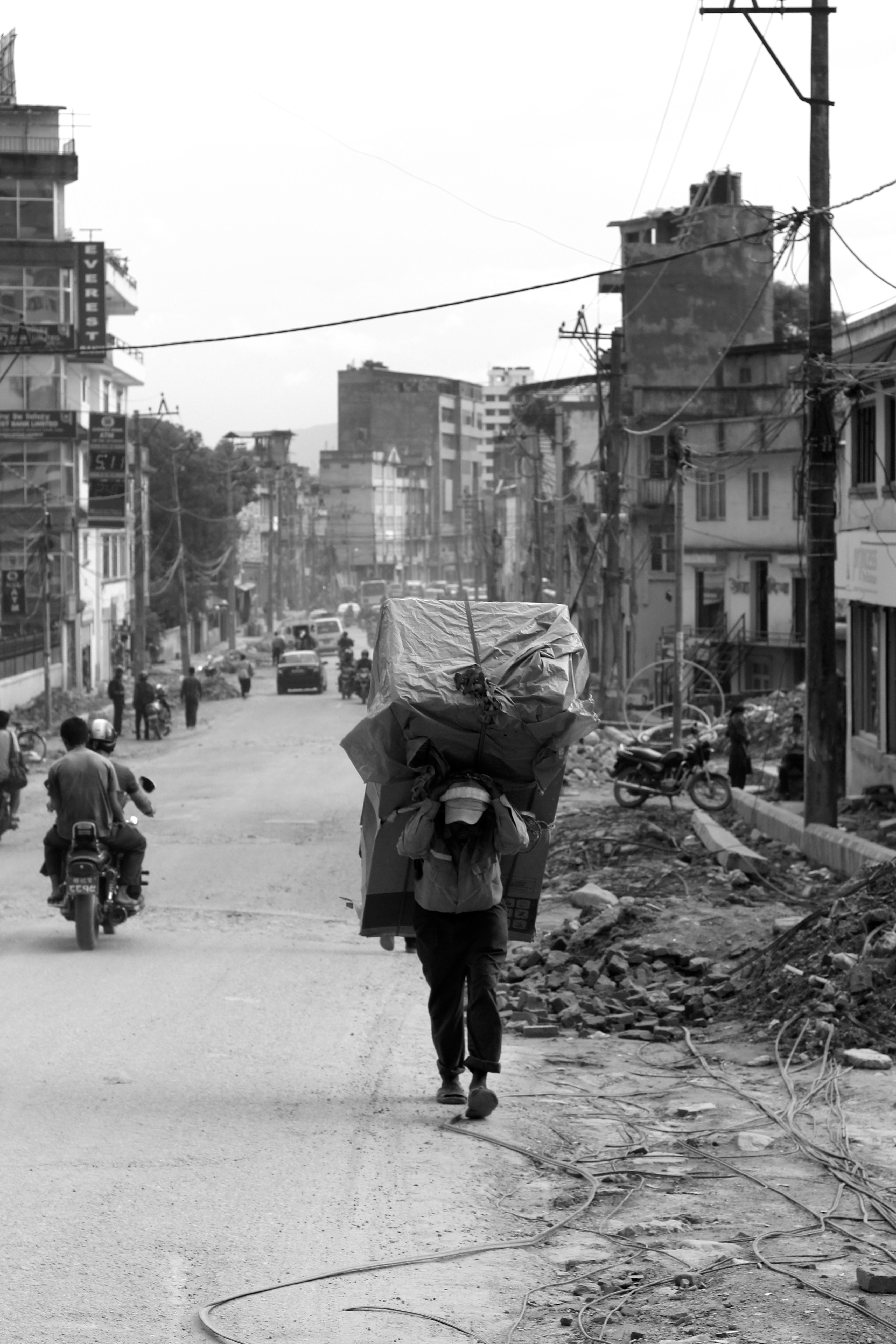
#‎100meters‬ - Wardrobe Delivery Service. #100meters documents a one hundred meter stretch of road and the life that unfolds within that space. My one hundred meter location is on Lazimpat Road, Kathmandu.

#‎100meters‬ – Wardrobe Delivery Service.
#100meters documents a one hundred meter stretch of road and the life that unfolds within that space.
My one hundred meter location is on Lazimpat Road, Kathmandu.

Go back

Your message has been sent

Warning
Warning
Warning
Warning

Warning.

Occupy Melbourne -Day 1.

There is something magical about walking into a publicly held space, a space being  reclaimed for change. City Square in central Melbourne occupied  peacefully despite the four mounted police of the occupation, despite police cameras filming the crowd from above and a crowd representing a diverse range of political opinions.It is inspirational.

Poets, punks, anarchist dogs (“no leads, no leaders!”), children, environmentalists,performance artists,film makers, hipsters, unionists, curious teenagers joggled alongside one another, took to the mic, workshopped, assisted organisers, played drums and marched in support of others (BDS protestors) who had previously arranged a march. It became more and more obvious as the day continued that peacefully and together we have real power. Even though in Melbourne they are only just picking up the reins started with the Madrid Occupation that started in May, it feels like this movement has the potential to facilitate change. No other reason for all the police, surveillance and undercover cops in the crowd unless the occupation movement was a real challenge to the inequitable status of now.

One of the criticisms of the #occupy movement is that it doesn’t have concrete aims. But from what I see internationally not having concrete aims at this early stage of the movement is the point. Huge sections of the population globally are dissatisfied with the status quo. With the insane inequality of wealth distribution , a correlating power resting in the hands of the very few and governments globally facilitating this concentration of power (As one occupier said to me yesterday. “Governments no longer govern, they are corporate administrators”) to have a cohesive plan already laid out would be unrealistic and non representational of the diversity of the movement. The movement needs to be representational, grassroots based so it cannot be co-opted to represent current government/corporate interests. This is something I found evident yesterday, the general assembly model while slow-moving means that strategies developed are truly representational of the majority.

It became clear  after speaking to more people than I can count that not only do occupiers want the world to be equitable,they want real community , they want purpose and meaning, they are claiming back our connectedness. Occupation is about putting humanity first.

A sign of the times - #occupymelbourne day 1. Copyright Alexandra Bremner 2011

Deadline day looms

Tomorrow – May 28th – is the deadline for Nepal’s constitution.

Differing political blocks (of the 20 plus political parties involved including the Maoists)have been scrambling to get an extension of the deadline but with little success. Parliament is closed today and will reconvene for the deadline.. Rival factions have started to have photo ops with the media of their paramilitary groups according to the Himalayan Times and Kathmandu Post. There is no finalised constitution. Nepal is amazing but rife with problems inflicted from external and internal sources – development issues, economic uncertainty, political instability, lack of access to clean water, food supply costs, load shedding, pollution, competing INGO’s and NGO’s, homelessness, land seizures, drugs…

But this country deserves a bright future.

The people are tenacious even after years of political instability and civil war. They are open-hearted, funny  and intelligent. The country is beautiful and despite its issues Nepal gets under your skin. I miss living there. I love Nepal and I am fearful about her future if things go badly after the deadline passes.

Here are some links if you wish to follow what is happening more closely.

http://english.aljazeera.net/news/asia-pacific/2010/05/2010525101847265629.html

http://www.thehimalayantimes.com/

http://epaper.ekantipur.com/ktpost/epaperhome.aspx?issue=2752010

http://blog.com.np/

http://www.nepalnews.com/main/index.php/news-archive/2-political/5142-maoist-ethnic-group-forms-paramilitary-wing.html

To my friends and family in Nepal be safe – my thoughts are with you.

Please contact me if needed or you have information about what is happening you would like to share.